How Botanical Gardens Document Traditional Plant Knowledge
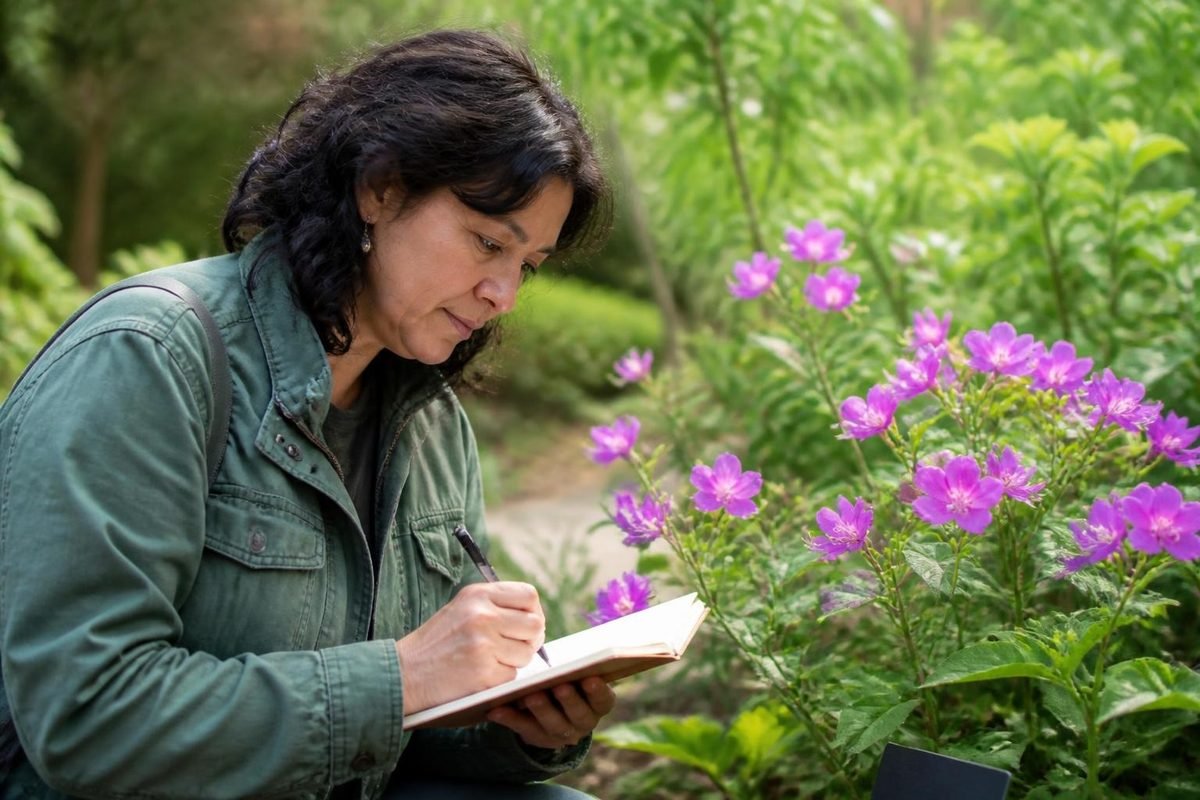
Botanical gardens document traditional plant knowledge through conversations with knowledge holders, written records, photographs, recordings, and preserved plant specimens. The strongest documentation also records who shared the knowledge, how it may be used, and which details should remain private.
Recording plants and the knowledge around them
A plant name is only a starting point. Garden staff may record local names, where a plant grows, which parts are used, and the season in which they are gathered. They may also note how a plant is prepared for food, woven into materials, or used in ceremonies, if the people sharing that knowledge agree to include those details.
Interviews can preserve the words of the person describing a plant. Audio and video may capture pronunciation, techniques, and gestures that are difficult to convey in a written note. Photographs can show a plant in its habitat or a process of preparation. Each kind of record holds different information, so a garden may use several together.
Gardens may link these accounts to specimens in an herbarium, a collection of preserved plants used for study. A specimen can help establish which plant is being discussed. Its label may include a scientific name, collection location, date, and the names of the people involved. Living collections and seed records can also provide references, although a plant growing in a garden does not by itself explain its cultural meaning.
Working with knowledge holders
Traditional knowledge belongs to people and communities, not simply to the plants described in a record. Garden staff may work with community members to decide what to document, how to describe it, and who should have access. The terms of that work matter as much as the format of the archive.
Permission to record a conversation does not automatically mean permission to publish it. Some knowledge may be sacred, sensitive, restricted to certain people, or unsuitable for a public database. A community may prefer that a recording remain private, that names be withheld, or that a description be reviewed before it appears on a garden label.
Good records can make those choices visible. They can credit contributors as agreed, identify the language used, and describe any limits on access or reuse. They can also be corrected when a name, identification, or interpretation needs revision. Knowledge changes across places and generations, and a single account may not represent every member of a community.
Questions about the records
Are all records available to visitors?
No. A garden may share some information in exhibitions or catalogues while keeping other material restricted. Access depends on the garden's policies and the agreements made with the people who provided the knowledge.
Why record both local and scientific names?
The names serve different purposes. A scientific name helps connect a record to botanical research, while a local name can carry linguistic and cultural meaning. Neither should be treated as a complete substitute for the other.
Can documentation help protect knowledge?
It can help preserve information for future use, especially when communities can access and manage the records. Preservation alone is not enough, though. Respect for consent, credit, and continuing community relationships remains important.
See also: send a gift abroad